





How Often Should I Rotate My Tires?
In the scenic roads of Spokane, Washington, and its neighboring regions, maintaining your new or used vehicle’s tires is not just a recommendation—it’s crucial for safe driving. Regular tire rotation stands as a fundamental aspect of car maintenance that many local drivers often overlook, yet it plays a vital role in ensuring your vehicle performs optimally.
Tires should be rotated every 5,000 miles or every six months to ensure even wear and prolong their lifespan. This practice enhances vehicle safety, performance, and fuel efficiency. Always check your vehicle’s manual for specific recommendations on how often you should rotate your tires.
For many Spokane drivers, the challenge isn’t just about remembering to rotate their tires; it’s also understanding the impact it has on their daily commute and long-term vehicle health. Whether navigating snowy paths in Coeur d’Alene or enduring the hot streets of Tri-City, consistent tire care can mean the difference between a smooth ride and unexpected troubles on the road. As we dive deeper into the essentials of tire rotation, we’ll explore the benefits and provide practical advice to keep your ride smooth and your journeys safe.
What Does Tire Rotation Involve and How Often Should You Do It?
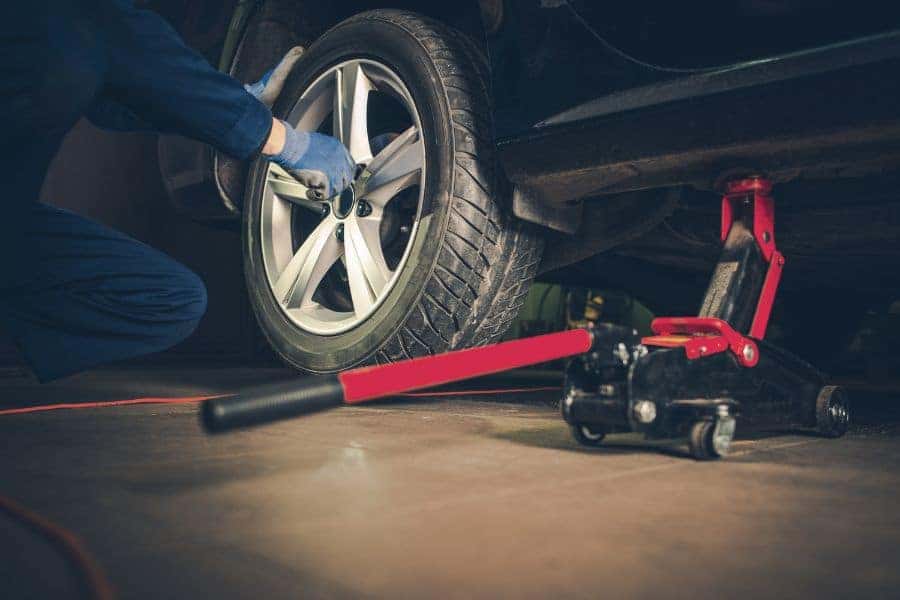
Tire rotation involves moving your tires from one position on your vehicle to another, such as switching the front tires with the rear tires or moving the left to the right side. This practice ensures that all tires wear evenly, prolonging their lifespan and maintaining optimal vehicle performance.
Most experts recommend rotating your tires every 5,000 to 7,500 miles, which conveniently aligns with regular oil changes for many vehicles. Always consult your vehicle’s owner’s manual for specific guidelines and recommended rotation patterns.
 Why Is Tire Rotation Necessary?
Regular tire rotation is essential for promoting even tire wear, which helps extend the life of your tires. Uneven wear can lead to premature tire replacement and compromised vehicle handling. For example, front tires on Front-Wheel Drive (FWD) vehicles typically wear out faster due to the added stress of steering and power transfer.
By rotating your tires regularly, you balance out the wear and ensure all tires wear at a similar rate. This practice not only prolongs tire life but also enhances vehicle safety and performance.
How Does Your Car’s Drivetrain Affect Tire Wear?
Your car’s drivetrain significantly influences tire wear patterns. In FWD vehicles, the front tires bear the brunt of the wear due to steering and power delivery, necessitating more frequent rotations. Rear-wheel drive (RWD) vehicles distribute wear more evenly between the front and rear tires, though regular rotation is still crucial.
All-wheel drive (AWD) and Four-Wheel Drive (4WD) vehicles can have unique wear patterns due to power being sent to all four wheels, making consistent tire rotation even more important. Driving behavior, road conditions, and tire quality also affect how often you should rotate your tires.
What Happens if I Don’t Rotate My Tires Regularly?
Neglecting regular tire rotations can have several adverse effects on both your vehicle and your wallet. Here’s a detailed breakdown of what can happen:
Decreased Fuel Efficiency: Unevenly worn tires force your vehicle to work harder, increasing fuel consumption. Over time, this can significantly raise your vehicle’s operating costs due to the added strain on the engine.
Poor Ride Comfort: Uneven tire wear can cause vibrations and a rougher ride, negatively affecting your driving experience. This discomfort is especially noticeable on long drives and may indicate underlying issues with tire balance or alignment.
Increased Risk of Tire Blowout: Worn-out tires, especially those with uneven wear, are more prone to blowouts. This can lead to dangerous situations on the road, posing risks not only to you but also to other drivers. Tire blowouts can cause loss of vehicle control, leading to accidents.
Shortened Tire Lifespan: Tires that aren’t rotated regularly may wear out faster than expected, necessitating more frequent replacements. This not only increases costs over time but also means spending more time and effort on tire maintenance.
Compromised Vehicle Performance: Uneven tire wear affects various aspects of vehicle performance, including acceleration, braking, and cornering capabilities. This can lead to a less responsive and potentially unsafe driving experience.
Increased Wear on Vehicle Components: Beyond the tires themselves, uneven tire wear can increase stress on other vehicle components, such as the suspension and braking systems. This added stress can lead to premature wear and potentially costly repairs.
Safety Concerns: According to the National Highway Traffic Safety Administration (NHTSA), inadequate tread depth is responsible for more than 25% of all tire-related car accidents. Regular tire rotation helps maintain sufficient tread depth across all tires, reducing the risk of hydroplaning, poor traction in adverse weather conditions, and punctures.
Regular tire rotation is essential for maintaining the health and longevity of your tires, improving fuel efficiency, ensuring a comfortable ride, and enhancing safety. Neglecting to rotate your tires can lead to increased costs, compromised performance, and potential safety hazards.
How Do I Know When My Tires Need to Be Replaced?
Knowing when to replace your tires is crucial for maintaining vehicle safety and performance. Key indicators include:
- Tread Depth: Use the penny test—insert a penny into the tread with Lincoln’s head facing down. If you see the top of Lincoln’s head, your tread depth is insufficient.
- Cracks and Bulges: Look for cracks in the tread or sidewall, and bulges indicating structural weaknesses.
- Visible Cords: If steel belts or fabric cords are visible, the tire is unsafe.
- Uneven Wear: Check for uneven wear patterns that suggest alignment or inflation issues.
- Poor Grip: Reduced traction, especially in wet conditions, signals the need for new tires.
- Age: Tires older than six years should be inspected regularly, and those over ten years old typically need replacement.
Regularly inspecting your tires and rotating them as recommended helps maintain optimal performance and safety.

A Final Word on How Often You Should Rotate Your Tires
Now that you know the importance of rotating your tires every 5,000 miles or six months, it’s time to take the next step to ensure your vehicle’s safety and performance. Regular tire rotation not only extends the life of your tires but also enhances fuel efficiency, provides a smoother ride, and reduces the risk of accidents. Ignoring this essential maintenance task can lead to uneven wear, increased fuel costs, and potential safety hazards.
At Findlay Dodge Ram Post Falls and Findlay Jeep Superstore near Spokane, we understand the unique driving conditions faced by our local community. Whether you’re navigating the snowy roads of Coeur d’Alene or cruising through the scenic routes of Spokane, regular tire maintenance is crucial. Our team of expert technicians is dedicated to providing top-notch tire services tailored to your vehicle’s specific needs. We use state-of-the-art equipment and follow manufacturer guidelines to ensure your tires are rotated correctly and efficiently.
Don’t wait until it’s too late. Schedule your tire rotation service with us today and experience the difference in your vehicle’s performance and safety. Visit Findlay Jeep Dodge Ram at 1800 East Polston Avenue, Post Falls, ID, or call us at 208-738-5100. Let our knowledgeable staff help keep your vehicle running smoothly, so you can enjoy worry-free driving in our beautiful region. Come by and see why we’re the trusted choice for tire servicing in Post Falls, Spokane and beyond!
Findlay Jeep Dodge Ram
550 N Alberta St.
Post Falls, Idaho 83854
- Main:208-457-7498
- Sales:208-457-7498
- Service:208-457-7750
- Parts:208-618-2064
- Sun10:00 AM - 5:00 PM
- Mon - Fri8:00 AM - 7:00 PM
- Sat8:30 AM - 7:00 PM
- Mon - Fri7:30 AM - 6:00 PM
- Sat8:00 AM - 4:00 PM
- SunClosed
- Mon - Fri7:30 AM - 5:30 PM
- Sat8:00 AM - 4:00 PM
- SunClosed
- Mon - Fri7:30 AM - 4:00 PM
- Sat8:00 AM - 3:00 PM
- SunClosed
0 comment(s) so far on How Often Should I Rotate My Tires?